As summer approaches on the Gold Coast, winter is just around the corner in the Northern Hemisphere. For many Australians, that means swapping the beach for the mountains and heading to destinations like Japan for some skiing or snowboarding.
Whether you’re chasing powder in Hakuba, enjoying the slopes of Niseko, or trying snow sports for the first time, there’s nothing quite like a trip to the snow.
However, skiing and snowboarding place significant demands on the body, and injuries can quickly turn a dream holiday into a frustrating experience.
At POGO Physio, we’re excited to be collaborating with Peak Sports Physio Hakuba, a team of experienced physiotherapists based in Hakuba, Japan who specialise in managing skiing and snowboarding injuries.
Together, we’ve put together six practical tips to help you prepare for the slopes, minimise your injury risk and make the most of your time in the mountains.
1. Prepare Your Body Before You Go
One of the biggest mistakes people make is arriving at the snow without adequately preparing their bodies for the physical demands of skiing or snowboarding.
Snow sports require considerable lower-body strength, muscular endurance, balance and coordination. Even if you regularly attend the gym or participate in other sports, spending several consecutive days on the slopes presents a unique physical challenge.
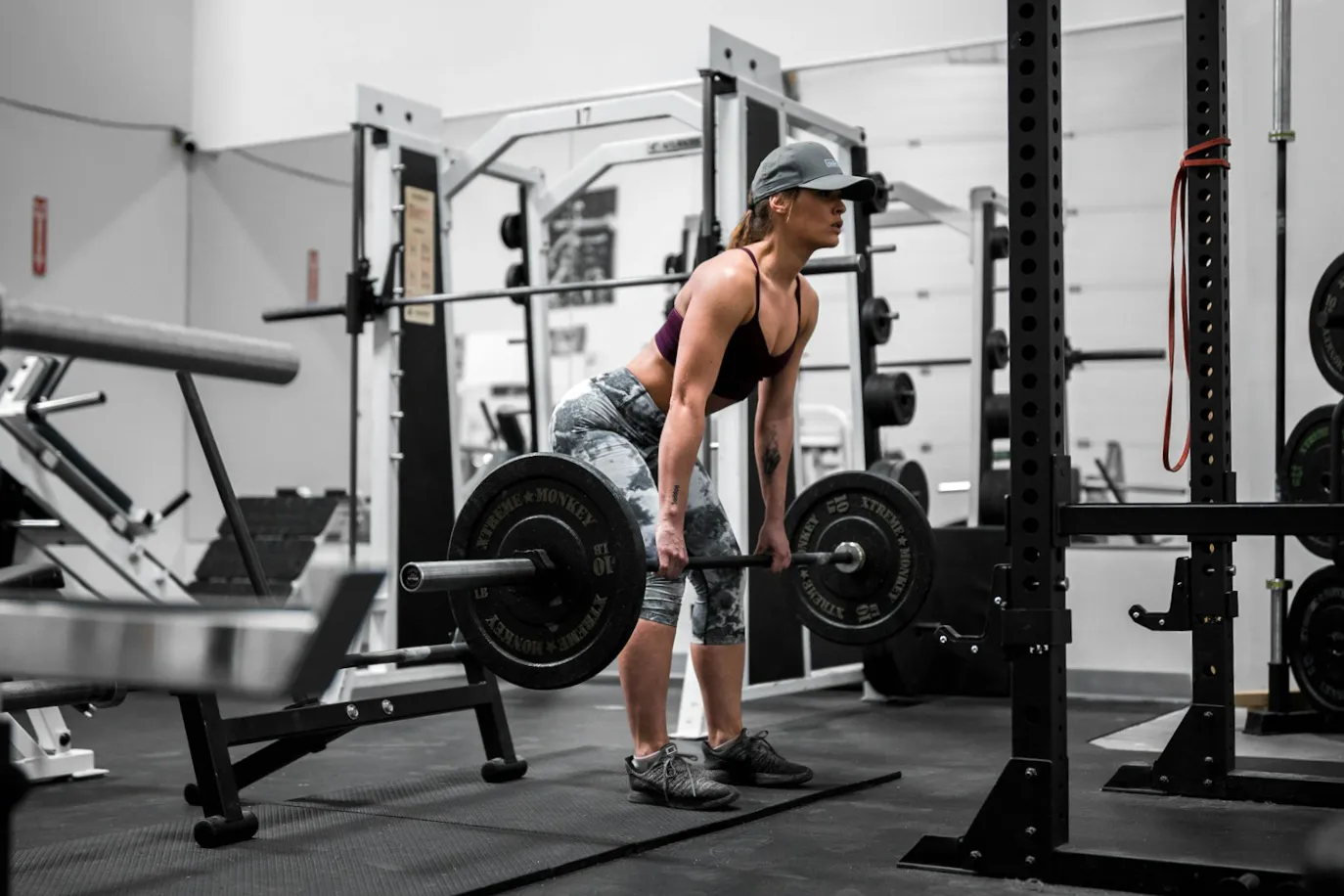
Ideally, preparation should begin 6–12 weeks before your trip, incorporating:
- Strength training: Focus on your quadriceps, hamstrings, glutes and calves to prepare your legs for prolonged skiing or snowboarding.
- Muscular endurance: Exercises such as squats, lunges and wall sits can help develop your capacity to tolerate repeated runs.
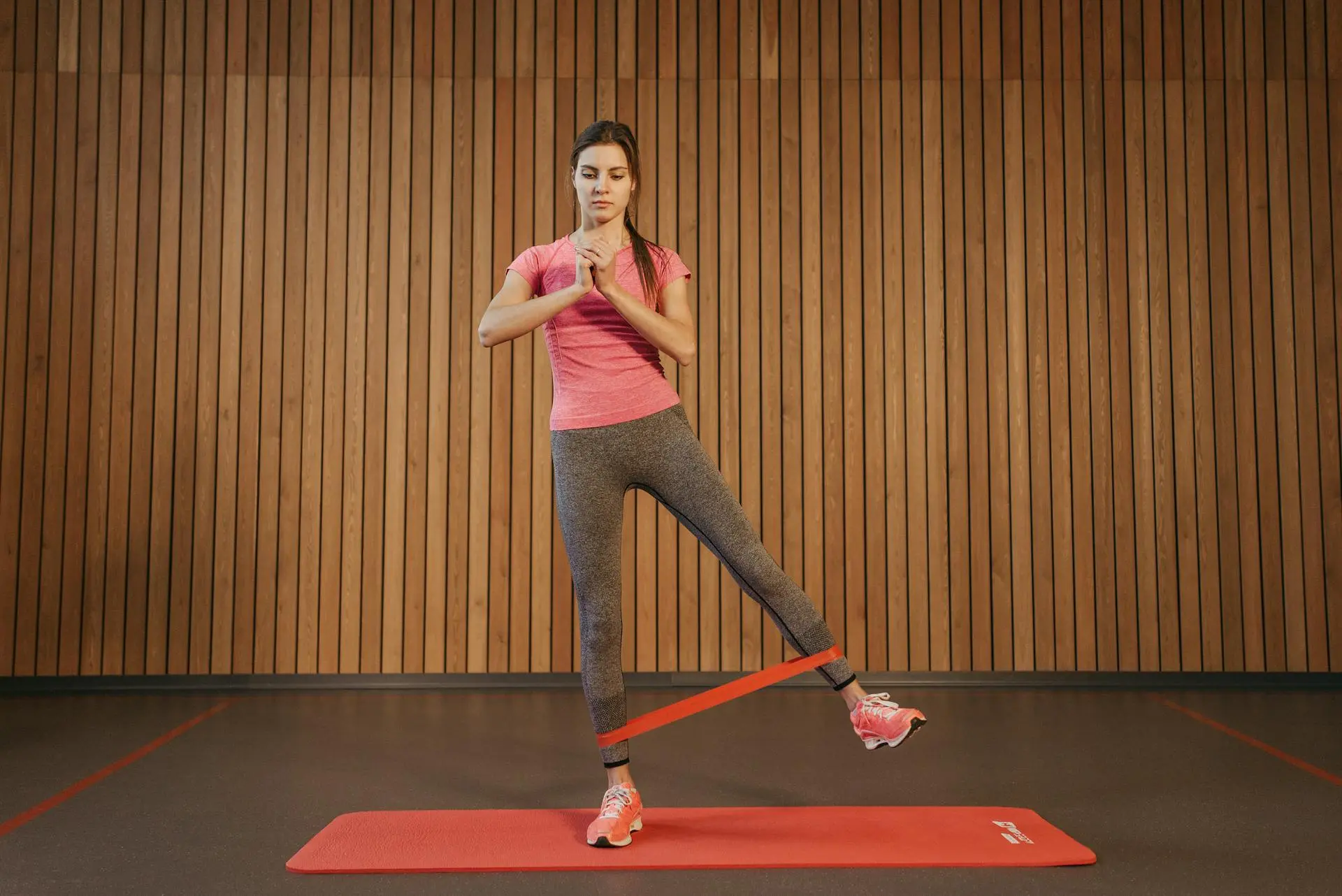
- Balance and proprioception: Single-leg balance exercises, lateral movements and controlled landing drills can improve your coordination and movement control.
- Cardiovascular conditioning: Building your general fitness will help you manage long days on the mountain.
If you have a history of injury, particularly involving your knees or ankles, a pre-trip physiotherapy assessment at POGO Physio can help identify any remaining strength or functional deficits worth addressing before you travel.
2. Consider Your Chosen Discipline
While skiing and snowboarding share many similarities, they are associated with different injury patterns.
Skiing: Knee injuries
Knee injuries are more common among skiers, including injuries to the anterior cruciate ligament (ACL), medial collateral ligament (MCL) and meniscus.
The combination of twisting forces, fixed ski boots and unexpected falls can place significant stress on the knee.
If you’ve previously experienced a knee ligament injury or undergone knee surgery, it’s worth ensuring you have restored adequate strength, stability and confidence before returning to the slopes.
Snowboarding: Wrist and shoulder injuries
Snowboarders experience a higher proportion of upper-limb injuries, particularly involving the wrists and shoulders.
Falls onto an outstretched hand are common, especially among beginners, increasing the risk of wrist fractures and sprains. Shoulder dislocations, collarbone fractures and ankle injuries can also occur.
Regardless of which discipline you choose, consider your injury history, current physical capacity and experience level.
3. Choose the Right Equipment
Appropriate equipment is an important part of reducing your injury risk.
If you’re a beginner, select skis or a snowboard suited to your experience and ability. Equipment designed for advanced riders isn’t necessarily the best choice when you’re learning.
For skiers, appropriately adjusted bindings are particularly important. Ski bindings are designed to release under certain forces, potentially reducing the risk of some lower-limb injuries.
However, incorrect binding settings can increase injury risk, and even correctly adjusted bindings cannot prevent every injury.
A few important considerations:
- Use equipment suited to your height, weight, ability and skiing or snowboarding style.
- Ensure your boots fit correctly and comfortably.
- Have ski bindings professionally adjusted and checked.
- Seek advice from experienced rental staff or instructors if you’re unsure about your setup.
When in doubt, ask a professional. It’s a simple step that could save you considerable trouble later.
4. Wear Appropriate Protective Gear
Protective equipment won’t eliminate your injury risk, but it can help reduce the severity of certain injuries.
Some essentials to consider include:
- Helmet: A properly fitted, snow-sports-specific helmet is a must for both skiers and snowboarders.
- Wrist guards: Particularly worth considering for snowboarders, especially beginners who are more likely to fall onto their hands.
- Padded clothing: Protective shorts, knee pads and other padded garments may provide additional protection during falls.
- Knee braces: For those with a previous knee injury, an appropriately selected brace may be worth discussing with your physiotherapist. Bracing isn’t a substitute for adequate strength and rehabilitation.
Remember, the best protective equipment is equipment that fits correctly and is appropriate for your needs.
5. Don’t Forget to Warm Up
We get it. You’re on holiday, it’s freezing outside, and that morning coffee sounds far more appealing than a warm-up!
However, heading straight onto the slopes without preparing your body isn’t ideal.
Skiing and snowboarding require rapid changes in direction, balance reactions and considerable muscular effort. A short dynamic warm-up can help prepare your body for these demands.
Before your first run, try spending 5–10 minutes completing:
- Bodyweight squats
- Forward and lateral lunges
- Calf raises
- Leg swings and hip mobility exercises
- Single-leg balance exercises
- Light jumping, hopping or lateral movements, if appropriate for your ability
Start with some easier runs before progressing to more demanding terrain.
It’s also worth repeating a brief warm-up after extended breaks, particularly when you’ve been sitting in the cold or have sat down for lunch.
6. Prioritise Recovery Between Days on the Mountain
A week of skiing or snowboarding often involves multiple consecutive days of physical activity, sometimes at an intensity your body isn’t accustomed to.
As fatigue builds, movement control and decision-making may deteriorate, potentially increasing injury risk.
To help your body recover and perform consistently throughout your trip, focus on the fundamentals:
Nutrition: Eat enough to support your activity levels, with adequate carbohydrates for energy and protein to support muscular recovery.
Hydration: It’s easy to underestimate fluid requirements in cold weather. Drink water regularly throughout the day.
Sleep: Quality sleep is one of the most important components of recovery, particularly during physically demanding holidays.
Active recovery: Gentle walking, mobility exercises and light stretching can help you feel less stiff between days on the mountain.
Rest days: Schedule a rest day during longer trips to give your body time to recover from consecutive days on the slopes. Taking a day off can help manage accumulated fatigue, reduce injury risk and keep you performing at your best for the remainder of your holiday.
And of course, you’re in Japan!
Enjoying a traditional Japanese onsen can be a fantastic way to relax after a long day on the slopes. Massage may also help with muscular soreness and relaxation.
The team at Peak Sports Physio Hakuba offers sports massage and physiotherapy services for those wanting some additional support during their trip.
Just remember that recovery strategies are no substitute for adequate sleep, nutrition, hydration and sensible management of your activity levels.
Importantly, don’t ignore significant pain, swelling or instability simply to squeeze in another day on the mountain.
What Happens If You Get Injured in Japan?
Despite the best preparation, injuries can still happen.
Whether it’s a knee ligament injury, ankle sprain, shoulder dislocation or fracture, getting the right assessment and management early can make a significant difference to your recovery.
For those travelling to Hakuba, the team at Peak Sports Physio Hakuba provides English-speaking physiotherapy services, including assessment and management of acute skiing and snowboarding injuries.
If you sustain a significant injury, seek assistance from ski patrol and appropriate medical services, particularly if a fracture, dislocation or concussion is suspected.
Through our collaboration, POGO Physio and Peak Sports Physio Hakuba aim to provide continuity of care for Gold Coast residents who sustain an injury while travelling in Japan.
This means that after receiving appropriate initial assessment and treatment in Hakuba, you can return home knowing there’s a physiotherapy team ready to support the next stages of your rehabilitation.
From early injury management through to progressive strengthening, functional rehabilitation and eventually returning to sport, our team at POGO Physio can help guide your recovery.
Heading to the Snow This Season?
Whether you’re preparing for your first ski trip, returning after an injury or wanting to make sure your body is ready for a week in the mountains, preparation is key.
At POGO Physio, we can help you build the strength, confidence and physical capacity needed to get the most out of your snow holiday.
And if things don’t go to plan while you’re away, our collaboration with Peak Sports Physio Hakuba means you’ll have support both on the mountain and when you’re back home on the Gold Coast.
Heading to Japan this winter? Book a pre-trip assessment with POGO Physio and get snow-ready!